
075582814553

Have you ever felt overwhelmed by the sheer complexity of modern electronics, or perhaps struggled to find a platform that offers both flexibility and raw processing power for your innovative projects? You’re not alone. In a world increasingly driven by high-speed data processing and custom hardware solutions, the demand for versatile development tools has never been higher. This is where FPGA development boards step in, offering a unique blend of reconfigurability and performance that traditional microcontrollers simply can’t match. Did you know that the global FPGA market is projected to reach over $12 billion by 2027, driven by advancements in AI, automotive, and data centers?[1]This rapid growth underscores the critical role FPGAs play in shaping our technological future.
At its core, an FPGA (Field-Programmable Gate Array)is an integrated circuit designed to be configured by a customer or a designer after manufacturing[2]. Unlike traditional microprocessors or microcontrollers with fixed architectures, FPGAs offer unparalleled flexibility. Imagine a blank canvas of digital logic, where you can literally design and implement any digital circuit you can conceive. This reconfigurability is achieved through a matrix of configurable logic blocks (CLBs) and programmable interconnects, allowing you to customize the hardware to perform specific tasks with incredible efficiency and speed.
An FPGA development board takes this powerful chip and surrounds it with essential components and interfaces, transforming it into a ready-to-use platform for design, testing, and prototyping[3]. These boards typically include memory, various input/output (I/O) ports (like HDMI, USB, Ethernet), and sometimes even integrated processors (as seen in SoC FPGAs like Xilinx Zynq). This comprehensive setup allows engineers and hobbyists to rapidly develop and validate their digital designs without the need for custom PCB fabrication for every iteration.
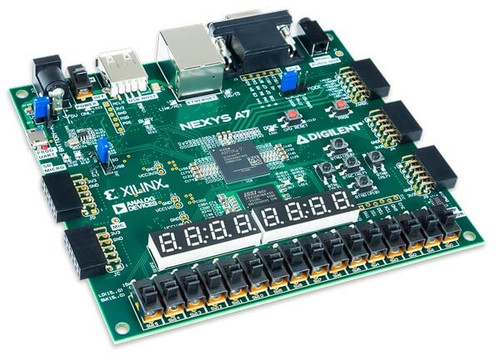
Figure 1: A typical FPGA Development Board. Source:Digilent
The applications of FPGA development boards are vast and continuously expanding, touching almost every aspect of modern technology. Their ability to perform parallel processing makes them ideal for tasks requiring high computational throughput and real-time performance. Here are some key areas where FPGAs shine:
High-Performance Computing: FPGAs are used in data centers for accelerating algorithms in areas like artificial intelligence, machine learning, and data analytics. Their customizability allows for highly optimized hardware accelerators that can outperform general-purpose CPUs for specific workloads.
Digital Signal Processing (DSP): From telecommunications to audio and video processing, FPGAs excel at DSP tasks. They can process signals in real-time, making them crucial for applications like radar systems, software-defined radios, and high-resolution imaging.
Image and Video Processing: The parallel nature of FPGAs makes them perfectly suited for real-time image and video manipulation, filtering, and analysis. This is vital in medical imaging, surveillance systems, and broadcast equipment.
Prototyping and Verification: Before committing to expensive Application-Specific Integrated Circuit (ASIC) development, FPGAs are extensively used for prototyping and verifying complex digital designs. This significantly reduces development time and costs, allowing for rapid iteration and bug fixing.
Embedded Systems: FPGAs are increasingly integrated into embedded systems where custom hardware logic is required for specific functionalities, such as industrial control, robotics, and automotive applications. Their ability to handle diverse interfaces and real-time constraints is a major advantage.
Academic and Research: Universities and research institutions widely use FPGA development boards to teach digital design principles, conduct experiments in computer architecture, and explore new frontiers in hardware acceleration.
Pro Tip: When starting with FPGAs, focus on understanding the underlying digital logic concepts. This foundational knowledge will be invaluable, regardless of the specific FPGA architecture or vendor you choose.
While specific features vary between boards, most FPGA development boards share common essential components that facilitate their functionality:
FPGA Chip: The heart of the board, containing the configurable logic blocks, routing resources, and I/O blocks.
Memory: Typically includes various types of memory such as DDR SDRAM for data storage and configuration memory (e.g., Flash) for storing the FPGA’s bitstream (the configuration data).
Power Management: Circuits to provide stable power to the FPGA chip and other components.
Clocking Resources: Oscillators and phase-locked loops (PLLs) to generate the necessary clock signals for the FPGA’s operation.
I/O Interfaces: A wide array of connectors for external communication, including USB, Ethernet, HDMI, Pmod connectors, GPIO pins, and sometimes specialized interfaces like PCIe or MIPI for cameras.
Programming Interface: Usually a JTAG (Joint Test Action Group) port for loading the bitstream onto the FPGA and for debugging.
LEDs and Buttons: Basic user interface elements for simple testing and debugging.
Understanding these components will help you appreciate the capabilities of an FPGA development board and make informed decisions when selecting one for your projects. The versatility of these boards truly empowers engineers to push the boundaries of what’s possible in hardware design.
For many newcomers to the world of embedded systems, the distinction between an FPGA and a microcontroller (MCU) can be a source of confusion. While both are fundamental components in modern electronics, they operate on vastly different principles and are suited for different types of tasks. Understanding these differences is crucial for selecting the right tool for your project. Have you ever wondered why some applications demand the raw power of an FPGA while others are perfectly served by a simple microcontroller?
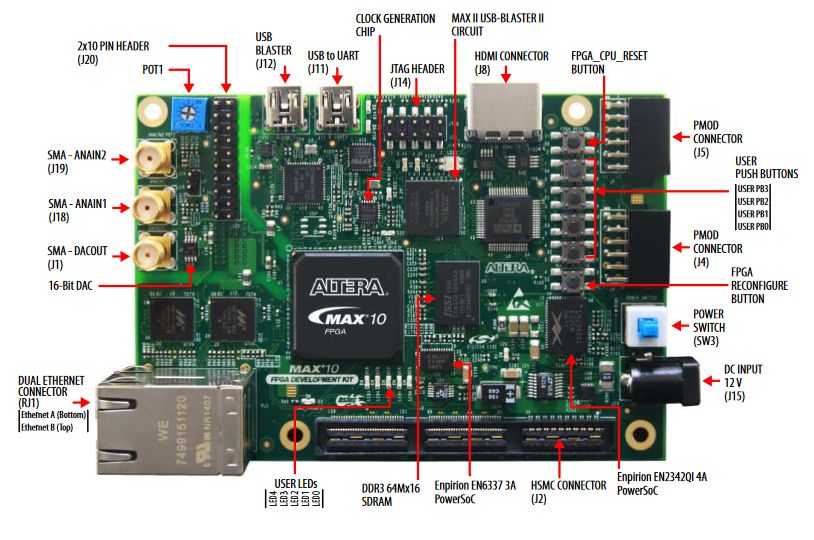
Figure 2: FPGA vs. Microcontroller Architectural Differences. Source:HardwareBee
The most significant difference lies in their underlying architecture. A microcontroller is a self-contained computer on a single chip, featuring a fixed architecture that includes a central processing unit (CPU), memory (RAM and Flash), and various peripherals (like ADCs, DACs, timers, and communication interfaces). It executes instructions sequentially, following a program written in a language like C or C++. This makes MCUs highly efficient for control-oriented tasks and general-purpose embedded applications.
In stark contrast, an FPGA does not have a fixed hardware structure. It is a blank slate of programmable logic that you, the designer, configure to create a custom digital circuit. Instead of executing software instructions, an FPGA implements your design directly in hardware, allowing for true parallel processing. This means you can design a circuit that performs multiple operations simultaneously, leading to a massive performance advantage for certain applications.
“FPGAs are reconfigurable hardware used for parallel, high-speed processing, while microcontrollers are fixed-architecture chips designed for sequential, task-oriented control.”[4]
When it comes to performance, FPGAs have a clear edge in applications that can benefit from massive parallelism. Tasks like real-time video processing, high-frequency trading, and complex DSP algorithms can be accelerated by orders of magnitude on an FPGA compared to a microcontroller. The ability to create custom hardware pipelines allows for deterministic, low-latency processing that is simply unattainable with a software-based approach.
Flexibility is another key advantage of FPGAs. Since the hardware is reconfigurable, you can update and modify your design at any time, even after the device has been deployed in the field. This is incredibly valuable for prototyping, as it allows for rapid iteration and bug fixing. It also enables the creation of adaptable systems that can evolve to meet new requirements.
Microcontrollers, on the other hand, offer a different kind of flexibility. While their hardware is fixed, their software can be easily updated to change their behavior. This makes them ideal for applications where the core hardware requirements are well-defined, but the control logic may need to be adjusted over time.
The development process for FPGAs and microcontrollers also differs significantly. FPGA development involves using Hardware Description Languages (HDLs) like Verilog or VHDLto describe the desired digital circuit. This requires a deeper understanding of digital logic design and can have a steeper learning curve for those with a purely software background. The design is then synthesized, placed, and routed using specialized software tools likeXilinx Vivado or Intel Quartus.
Microcontroller development is typically more accessible to a wider audience, as it involves writing software in high-level languages like C/C++ or even Python (with platforms like MicroPython). The development cycle is often faster for simple tasks, and the vast ecosystem of libraries and community support makes it easier to get started.
In terms of cost, microcontrollers are generally much cheaper than FPGAs, especially for high-volume production. The fixed architecture of MCUs allows for highly optimized manufacturing processes, resulting in lower per-unit costs. FPGAs, with their complex and reconfigurable fabric, are more expensive to produce. However, for low to medium-volume applications, the cost of an FPGA can be justified by its performance and flexibility, especially when compared to the non-recurring engineering (NRE) costs of developing a custom ASIC.
| Feature | FPGA (Field-Programmable Gate Array) | Microcontroller (MCU) |
|---|---|---|
| Architecture | Reconfigurable hardware, parallel processing | Fixed hardware, sequential processing |
| Performance | High performance for parallel tasks, low latency | Good performance for control-oriented tasks |
| Flexibility | Highly flexible, hardware can be reconfigured | Flexible software, fixed hardware |
| Development | HDL (Verilog/VHDL), steeper learning curve | C/C++, Python, easier to learn |
| Cost | More expensive, suitable for low to medium volume | Cheaper, ideal for high volume |
| Power Consumption | Generally higher, depends on the design | Generally lower, optimized for low power |
Important Note: The choice between an FPGA and a microcontroller is not always a binary one. Many modern systems use a combination of both. SoC (System on Chip) FPGAs, such as the Xilinx Zynq series, integrate a powerful ARM processor (a microcontroller) alongside the FPGA fabric on a single chip. This hybrid approach allows you to leverage the best of both worlds: the real-time control capabilities of a microcontroller and the high-performance parallel processing of an FPGA. This is a powerful combination for complex applications like robotics, computer vision, and software-defined radio.
Selecting the right FPGA development board can be a daunting task, especially with the vast array of options available on the market. The best choice for you will depend on a variety of factors, including your experience level, project requirements, and budget. Are you a student just starting your journey into digital design, or a seasoned professional looking for a high-performance platform for a specific application? This section will guide you through the key considerations and provide recommendations for different needs and use cases.
Before diving into specific board recommendations, it’s important to assess your own needs. Here are some key questions to ask yourself:
What is your experience level? If you’re a beginner, you’ll want a board with good documentation, tutorials, and a supportive community. Boards with a simpler FPGA and a user-friendly development environment are ideal for learning.
What are your project goals? Are you interested in general-purpose digital design, or do you have a specific application in mind, such as image processing, DSP, or embedded systems? The peripherals and I/O options on the board should align with your project’s requirements.
What is your budget? FPGA development boards can range in price from under $100 to several thousand dollars. It’s important to set a realistic budget and find a board that offers the best value for your money.
Which FPGA vendor do you prefer? The two main players in the FPGA market are Xilinx (now AMD) andIntel (formerly Altera). Both offer a wide range of FPGAs and development tools. While the core concepts of FPGA design are the same, the development software and specific features can differ between vendors. It’s often a good idea to gain experience with both.
With these questions in mind, let’s explore some of the best FPGA development boards available today, categorized by different criteria to help you make an informed decision.
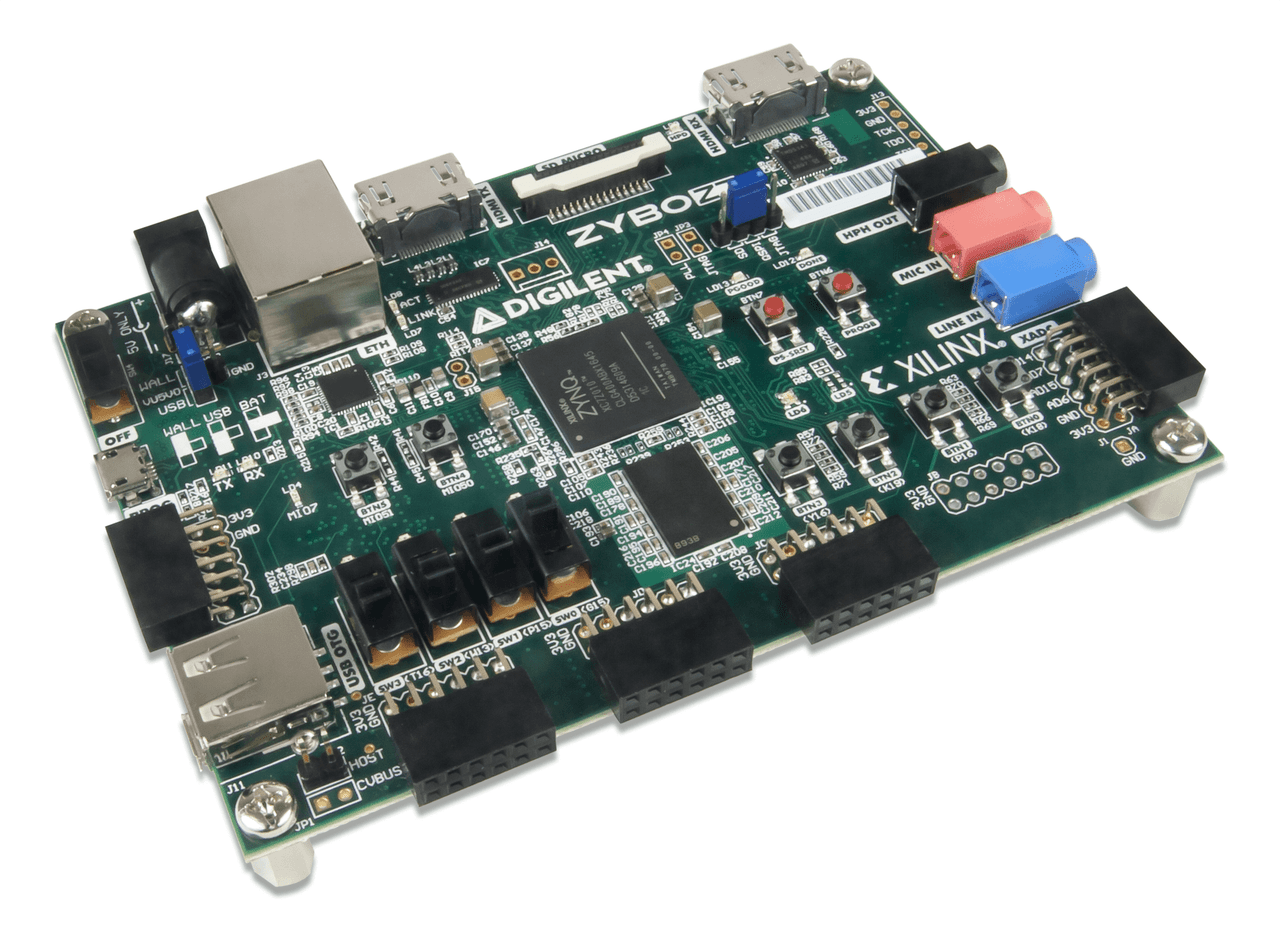
Figure 3: EDGE Spartan 6 FPGA Development Board. Source:EDGE
Starting with FPGAs doesn’t have to break the bank. Several affordable options are available that provide an excellent entry point into the world of reconfigurable hardware. These boards are often designed with beginners and students in mind, offering a good balance of features and cost-effectiveness. While they might not have the raw power of high-end boards, they are more than capable of teaching you the fundamentals of digital design and FPGA programming.
Digilent Basys 3: Often recommended for introductory users, the Basys 3 is built around a Xilinx Artix-7 FPGA. It offers a good set of peripherals, including switches, buttons, LEDs, and a 7-segment display, making it ideal for learning basic digital circuits. Its comprehensive documentation and widespread use in educational settings make it a popular choice.
Digilent Arty A7: Another popular option from Digilent, the Arty A7 also features a Xilinx Artix-7 FPGA. It provides more I/O options and is often used for more advanced projects, including those involving embedded Linux with MicroBlaze soft processor. It’s a versatile board that offers good value for its price.
TinyFPGA Boards: For those looking for truly compact and low-cost options, the TinyFPGA series (e.g., TinyFPGA BX) offers open-source FPGA boards in a tiny form factor. These are great for small, embedded projects and for learning the bare essentials of FPGA programming. They often use Lattice FPGAs.
Sipeed Tang Nano Boards: These boards, particularly the Tang Nano 20K, are gaining popularity for their very low price point and decent features. They often come with GOWIN FPGAs and are a good option for budget-conscious hobbyists, though documentation might be less extensive than for more established brands.
When considering a budget-friendly board, remember that while the initial cost is low, you might need to invest in additional components or accessories as your projects become more complex. However, for learning the ropes, these boards offer an excellent return on investment.
Xilinx, now part of AMD, has long been a dominant force in the FPGA market, known for its powerful devices and comprehensive development tools. If you’re looking to dive deep into the Xilinx ecosystem, here are some highly recommended development boards:
Digilent Basys 3: (Reiterated for its excellence) As mentioned in the budget-friendly section, the Basys 3 is an excellent starting point for Xilinx. Its Artix-7 FPGA is powerful enough for many introductory and intermediate projects, and Digilent’s strong educational focus means abundant resources are available.
Digilent Arty Z7: This board features a Xilinx Zynq-7000 SoC, which combines a dual-core ARM Cortex-A9 processor with an Artix-7 FPGA on a single chip. This makes the Arty Z7 incredibly versatile for projects requiring both hardware acceleration and software control, such as embedded Linux applications, robotics, and computer vision. It’s a fantastic board for those ready to explore the power of SoC FPGAs.
Digilent Nexys A7: Similar to the Basys 3, the Nexys A7 also uses an Artix-7 FPGA but offers more resources and peripherals, including a larger FPGA (up to Artix-7 100T), more memory, and a wider array of I/O options. It’s a step up for more complex digital design projects and is widely used in university curricula.
Xilinx ZCU102/ZCU104/ZCU106 (Zynq UltraScale+ MPSoC): For professional developers and advanced applications, these boards feature the Zynq UltraScale+ MPSoC, which integrates a quad-core ARM Cortex-A53 processor, a dual-core ARM Cortex-R5 real-time processor, and a powerful UltraScale+ FPGA fabric. These boards are designed for high-performance computing, AI acceleration, and complex embedded vision systems. They are significantly more expensive but offer cutting-edge capabilities.
Xilinx’s Vivado Design Suite is the primary software tool for developing with these boards, offering a complete environment for HDL synthesis, simulation, implementation, and debugging. The rich feature set and extensive documentation make it a powerful tool for serious FPGA development.
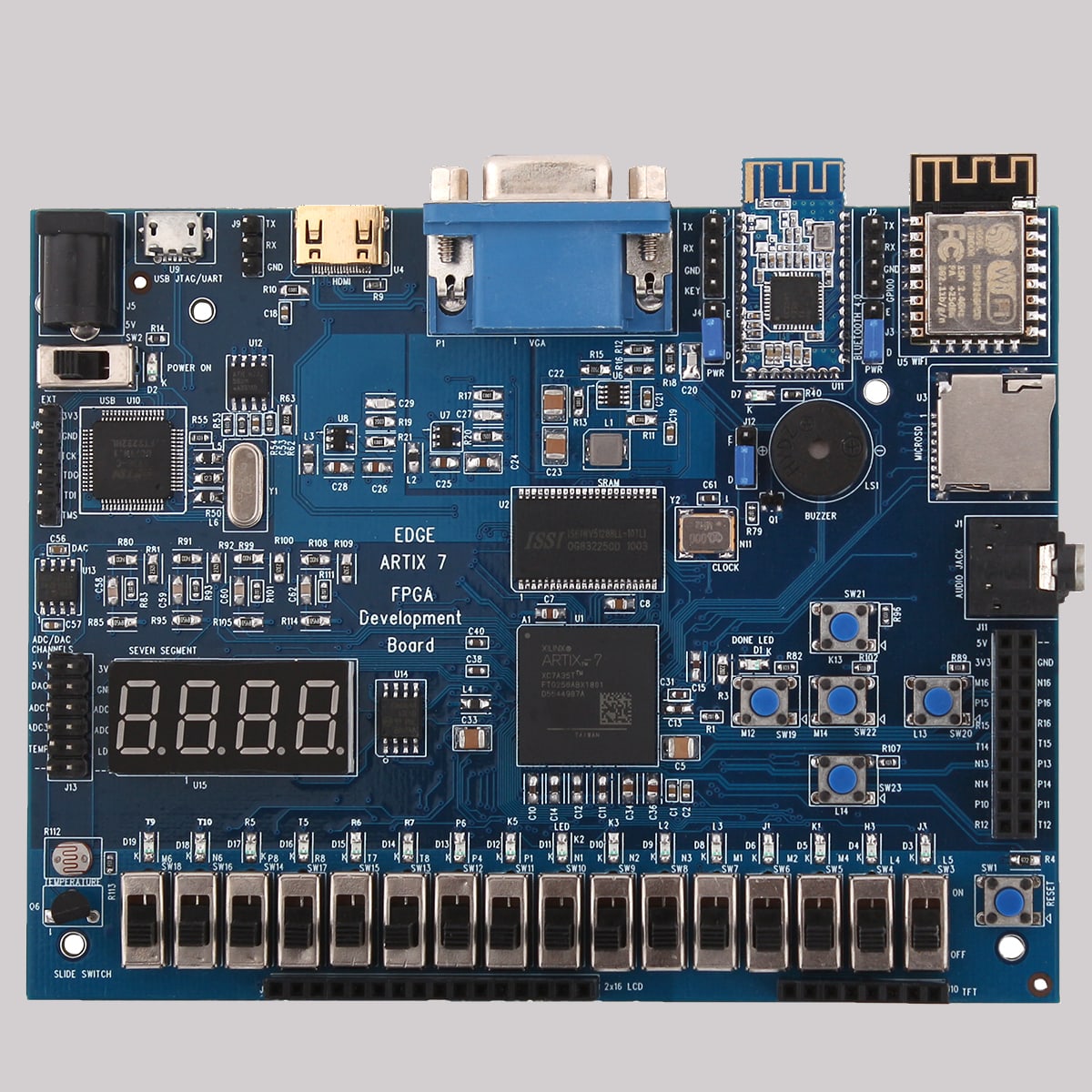
Figure 4: EDGE Artix 7 FPGA Development Board. Source:EDGE
Intel, through its acquisition of Altera, is another major player in the FPGA market, offering a strong portfolio of devices and development tools. If you prefer the Intel/Altera ecosystem, here are some highly regarded development boards:
Terasic DE10-Nano: This board is incredibly popular, especially among hobbyists and in the retro-gaming community (due to its use in the MiSTer project). It features an Intel Cyclone V SoC FPGA, which includes a dual-core ARM Cortex-A9 processor alongside the FPGA fabric. The DE10-Nano offers a good balance of performance, features, and affordability, making it an excellent choice for embedded Linux projects, multimedia applications, and general FPGA learning. Its extensive community support and numerous tutorials are a significant advantage.
Terasic DE10-Standard: A more powerful option than the DE10-Nano, the DE10-Standard also uses an Intel Cyclone V FPGA but provides more resources and I/O capabilities. It’s suitable for more demanding projects and academic research, offering a robust platform for advanced digital design and embedded systems development.
Intel Cyclone IV/V Development Kits: Various development kits are available featuring Intel Cyclone IV or V FPGAs. These are often entry-level to mid-range FPGAs, suitable for a wide range of applications from industrial control to consumer electronics. Boards like the Cyclone IV EP4CE6E22C8N development board are popular for their cost-effectiveness and sufficient logic elements for many projects.
Intel Stratix 10 GX FPGA Development Kit: For high-performance applications and professional development, Intel offers boards featuring their Stratix 10 series FPGAs. These are cutting-edge devices designed for data centers, networking, and high-bandwidth applications. They come with a premium price tag but deliver unparalleled performance and features.
Intel’s primary software tool for FPGA development is Intel Quartus Prime. It provides a comprehensive suite of tools for design entry, synthesis, simulation, and device programming. While the interface and workflow differ from Xilinx Vivado, the core principles of FPGA design remain consistent. Many developers find Quartus Prime to be a powerful and intuitive environment for their projects.
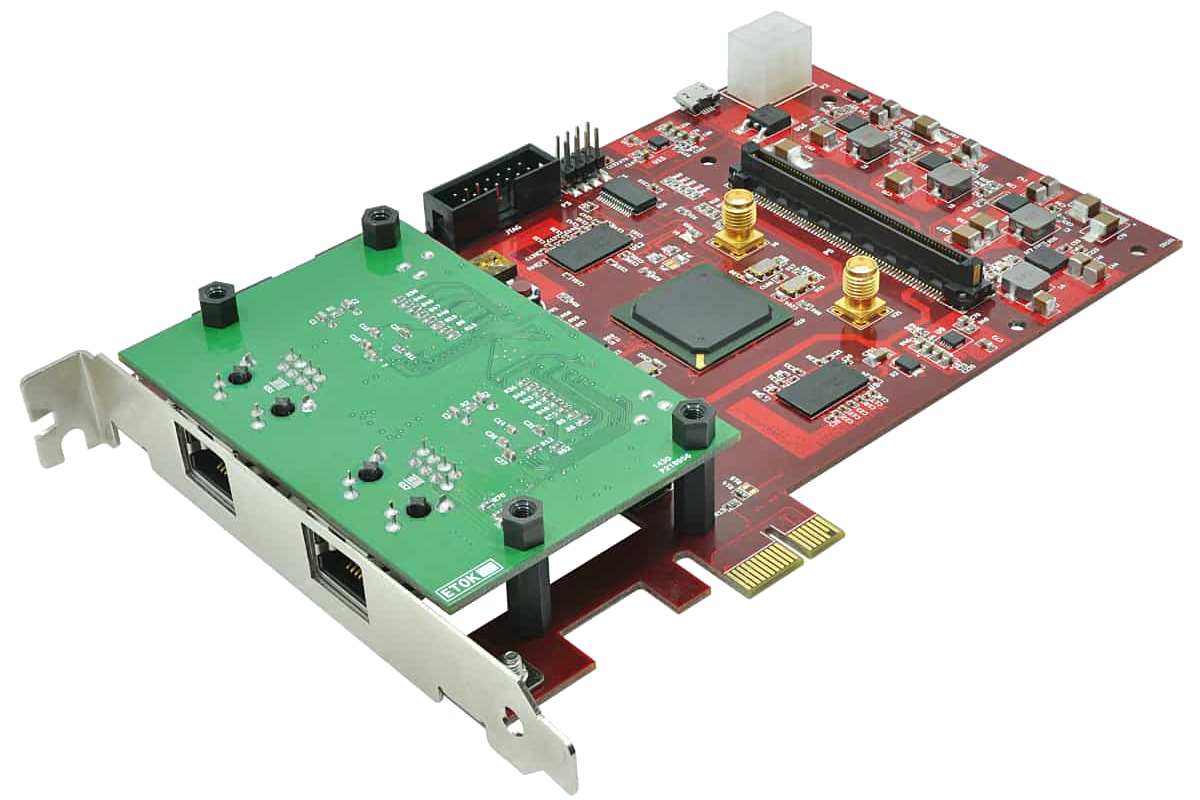
Figure 5: Galatea PCI Express S6 FPGA Development Board. Source:Numato Lab
Xilinx Zynq devices are a unique and powerful class of System-on-Chip (SoC) FPGAs that integrate a complete ARM-based processing system (PS) with programmable logic (PL) on a single die. This architecture allows for the best of both worlds: the flexibility and parallel processing power of an FPGA combined with the software programmability and rich ecosystem of an ARM processor. This makes Zynq boards ideal for complex embedded applications that require both high-performance hardware acceleration and sophisticated software control.
Digilent Zybo Z7: This is one of the most popular and affordable Zynq development boards, featuring a Xilinx Zynq-7000 SoC. It comes in two variants (Z7-10 and Z7-20) with different FPGA sizes. The Zybo Z7 is an excellent choice for students and hobbyists looking to explore embedded Linux, computer vision, and other applications that leverage the ARM processor and FPGA fabric. It includes a camera connector, HDMI input/output, and various Pmod connectors, making it highly versatile for multimedia projects.
Digilent Arty Z7: (As mentioned previously) The Arty Z7 also utilizes a Zynq-7000 SoC and is a strong contender for those seeking a balance between affordability and features. Its robust design and extensive documentation make it a reliable platform for learning and prototyping.
Avnet ZedBoard: The ZedBoard is a more feature-rich Zynq-7000 development board, often used in professional and academic settings. It offers a wider range of I/O interfaces, including Ethernet, USB OTG, HDMI, and a FMC (FPGA Mezzanine Card) connector for expansion. The ZedBoard is well-supported with documentation and examples, making it suitable for more advanced embedded system designs.
Xilinx ZCU102/ZCU104/ZCU106 (Zynq UltraScale+ MPSoC): These high-end boards are designed for cutting-edge applications that demand maximum performance and features. They incorporate the Zynq UltraScale+ MPSoC, which offers multiple ARM processors, advanced FPGA fabric, and high-speed interfaces. These boards are typically used for demanding tasks such as AI inference, 5G wireless communication, and advanced driver-assistance systems (ADAS).
Developing with Zynq boards involves a hybrid approach, often combining hardware design in Vivado with software development for the ARM processor using tools like the Vitis Unified Software Platform. This powerful combination allows for highly optimized and flexible embedded solutions.
The PYNQ Z2 development board stands out as a particularly interesting option for those who want to bridge the gap between software development and hardware acceleration. Built around a Xilinx Zynq-7020 SoC, the PYNQ Z2 is specifically designed to facilitate high-level programming of FPGAs using Python. This approach significantly lowers the barrier to entry for software developers who might find traditional HDL development challenging.
What is PYNQ? PYNQ (Python Productivity for Zynq) is an open-source framework that enables embedded programmers to explore the capabilities of Xilinx Zynq SoCs without designing hardware. It allows you to use Python to control and program the programmable logic, making it much easier to leverage the FPGA for tasks like parallel processing, high frame-rate video processing, and hardware acceleration[5].
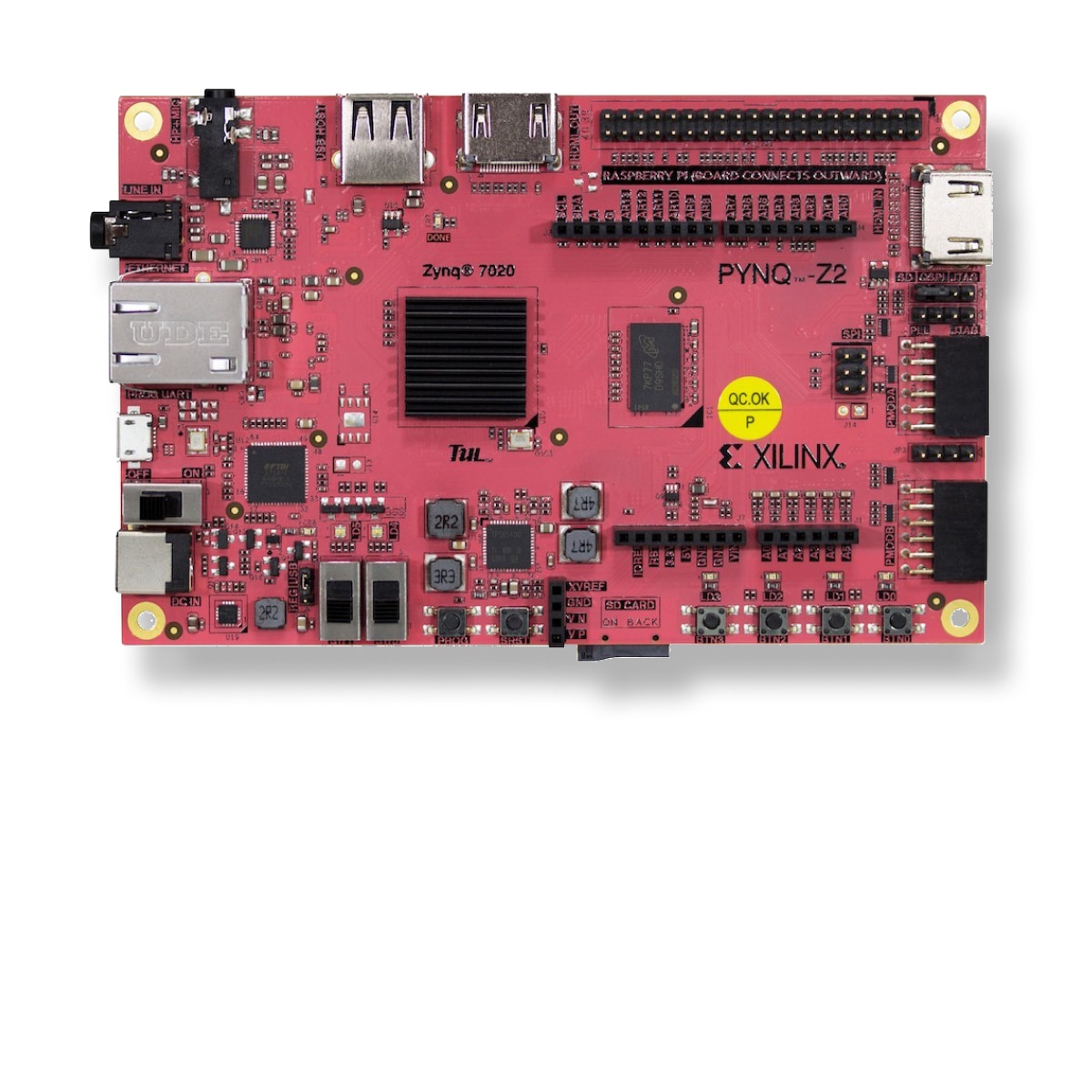
Figure 6: PYNQ Z2 Development Board. Source:AMD
Key Features and Benefits of PYNQ Z2:
Python-centric Development: The primary appeal of the PYNQ Z2 is its support for Python. You can write Python code to interact with hardware overlays (pre-designed FPGA circuits) and even create your own custom overlays. This makes rapid prototyping and experimentation incredibly efficient.
Integrated SoC: The Zynq-7020 SoC provides a powerful dual-core ARM Cortex-A9 processor, allowing you to run a full Linux operating system. This means you can combine the flexibility of software with the performance of custom hardware.
Rich Peripherals: The PYNQ Z2 comes equipped with a variety of peripherals, including HDMI input/output, Pmod connectors, Arduino-compatible headers, and a Raspberry Pi-compatible header. This extensive I/O makes it suitable for a wide range of projects, from embedded vision to robotics.
Educational Focus: The PYNQ framework and the PYNQ Z2 board are widely used in educational settings to teach concepts of hardware-software co-design and embedded systems. There are numerous tutorials and examples available, making it a great learning platform.
User Experience and Community Feedback: Many users praise the PYNQ Z2 for its ease of use and the ability to quickly get projects up and running. The Python interface simplifies complex FPGA operations, allowing developers to focus on the application logic rather than low-level hardware details. However, some users have noted that while the board is well-documented, more advanced or specific demos for certain interfaces (like RPi or PMOD) could be beneficial [6]. Overall, the PYNQ Z2 is considered an ideal starter board for those interested in exploring the power of Zynq SoCs with a software-first approach.
Personal Anecdote: When I first encountered the PYNQ Z2, I was skeptical about how much Python could truly simplify FPGA development. However, after experimenting with some of the pre-built overlays for image processing, I was genuinely impressed. The ability to load a hardware design and then manipulate it with just a few lines of Python code felt like magic. It truly democratized access to FPGA acceleration for someone like me, who primarily comes from a software background. It’s a game-changer for rapid prototyping and exploring new ideas without getting bogged down in the intricacies of HDL.
If you’re a software developer looking to dip your toes into the world of FPGAs, or an embedded engineer seeking a faster way to prototype and deploy hardware-accelerated applications, the PYNQ Z2 with its PYNQ framework is definitely worth considering. It offers a unique and powerful development experience that can significantly accelerate your projects.
In recent years, the landscape of FPGA development has seen significant growth, with several Chinese manufacturers emerging as strong contenders, offering competitive and innovative solutions. These boards often provide excellent value for money and are becoming increasingly popular among hobbyists, students, and even professional engineers. While documentation might sometimes be a challenge compared to established Western brands, the rapid advancements and community support are making them viable alternatives.
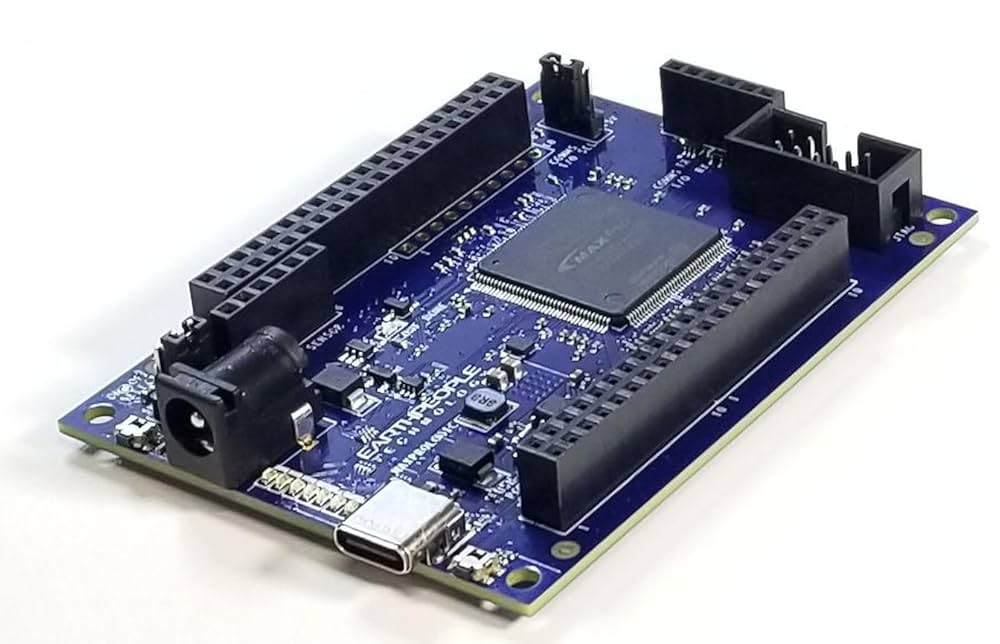
Figure 7: A generic Chinese FPGA Development Board. Source:Amazon
Some notable Chinese FPGA development board manufacturers and their offerings include:
Gowin Semiconductor: Gowin is a rapidly growing FPGA vendor from China, offering a range of FPGAs from low-power to mid-range devices. Boards featuring Gowin FPGAs, such as theSipeed Tang Nano series, are particularly popular for their affordability and suitability for learning and small-scale projects. These boards are often found on platforms like AliExpress and are a great entry point for budget-conscious enthusiasts.
Puzhi Technology: This company focuses on providing ARM/FPGA core boards and development boards, along with software radio and customization services. Their offerings cater to a more professional and industrial market, providing robust solutions for various embedded applications.
Alinx: Alinx is a well-known Chinese manufacturer that produces a wide range of Xilinx-based FPGA development boards, including those featuring Artix-7, Kintex-7, and Zynq devices. They offer comprehensive solutions for both educational and industrial use, often at competitive prices. Their boards are known for their quality and extensive peripheral interfaces.
T-Core: T-Core is another player in the Chinese FPGA market, offering development boards that cater to different levels of complexity and application needs. They often focus on providing solutions for specific industries like industrial control and communication.
Important Note: When purchasing Chinese FPGA development boards, it’s advisable to research the availability of documentation, community support, and development tools. While many boards offer excellent hardware, the software ecosystem and English-language resources might be less mature compared to Xilinx or Intel/Altera. However, the rapid pace of development and increasing global presence of these manufacturers suggest a promising future for Chinese FPGA solutions.
Personal Experience: I’ve had mixed experiences with some of the more obscure Chinese FPGA boards. While the hardware itself was often impressive for the price, the lack of clear, English documentation and active community forums sometimes made the learning curve steeper than necessary. However, for well-known brands like Sipeed and Alinx, the situation is rapidly improving, with more resources becoming available. It’s a testament to the growing innovation in the Chinese FPGA market.
Image and video processing are areas where FPGAs truly shine, thanks to their ability to perform highly parallel computations at high speeds. If your project involves real-time image manipulation, computer vision, or video analytics, an FPGA development board specifically designed for these tasks will be invaluable. These boards often come equipped with specialized interfaces and abundant memory to handle the large data streams associated with visual processing.
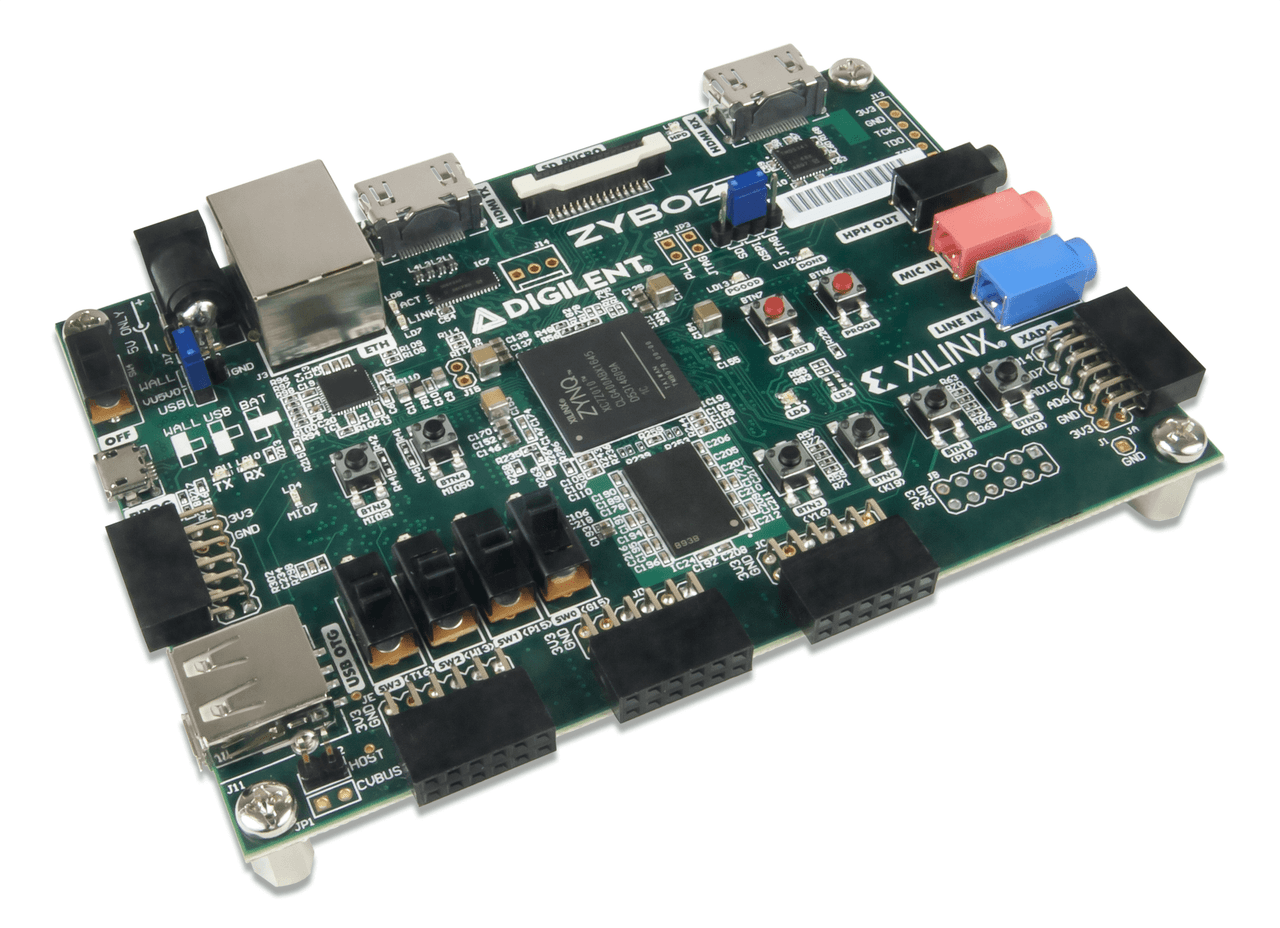
Figure 9: FPGA Development Board for Image Processing. Source:Digilent
Key features to look for in an FPGA development board for image processing include:
High-Speed I/O: Interfaces like HDMI, MIPI CSI-2 (for camera sensors), DisplayPort, and SDI are crucial for connecting cameras, displays, and other video equipment.
Large Memory Bandwidth: Image processing often requires significant memory to store frames and intermediate results. Boards with high-bandwidth DDR SDRAM are essential.
Powerful FPGA Fabric: A larger FPGA with more logic elements and DSP slices will allow for more complex image processing algorithms and higher resolutions/frame rates.
Integrated Processors (SoC FPGAs): Zynq or Cyclone V SoC FPGAs are particularly well-suited for image processing, as the ARM processor can handle high-level tasks like operating systems, network communication, and algorithm control, while the FPGA accelerates the pixel-level processing.
Some recommended FPGA development boards for image processing applications:
Digilent Zybo Z7: As highlighted earlier, the Zybo Z7 (with its Zynq-7000 SoC) is an excellent entry-level board for image processing. Its HDMI input/output and Pmod connectors make it easy to interface with cameras and displays. Many tutorials and examples are available for image processing on the Zybo Z7.
Digilent PYNQ-Z2: Similar to the Zybo Z7, the PYNQ-Z2 also leverages the Zynq-7020 SoC and the PYNQ framework. This board is particularly good for rapid prototyping of image processing applications using Python, allowing you to quickly test different algorithms and hardware overlays.
Xilinx Kria K26 SOM (System-on-Module) and Development Kits: The Kria K26 is a powerful adaptive SoC designed specifically for edge AI and vision applications. It integrates a Zynq UltraScale+ MPSoC with a comprehensive set of interfaces optimized for cameras, displays, and AI accelerators. Development kits built around the Kria K26 SOM are ideal for professional vision-based projects.
Intel Cyclone V GX Development Kit: Boards featuring the Intel Cyclone V GX FPGA are also strong contenders for image processing. These FPGAs offer dedicated transceivers for high-speed serial communication, which is often required for advanced video interfaces.
Custom Boards with High-Speed Connectors: For very specific or high-performance image processing needs, some developers opt for custom-designed boards or specialized commercial boards that feature multiple camera inputs, high-resolution display outputs, and advanced memory configurations.

 Catalogue
 FPGA / CPLD
 Memory
 MOS
MOS  MCU
MCU  DSP
DSP OCEP
OCEP Secondary
  Other
Other 


