
075582814553

This article explores the mechanics, features, and operating principles of the universal transfer switch. By analyzing its functionality and various components, readers will gain a comprehensive understanding that aids in informed decision-making regarding its integration and use. In the evolving landscape of electrical infrastructure, understanding such devices is needed for both efficiency and safety.
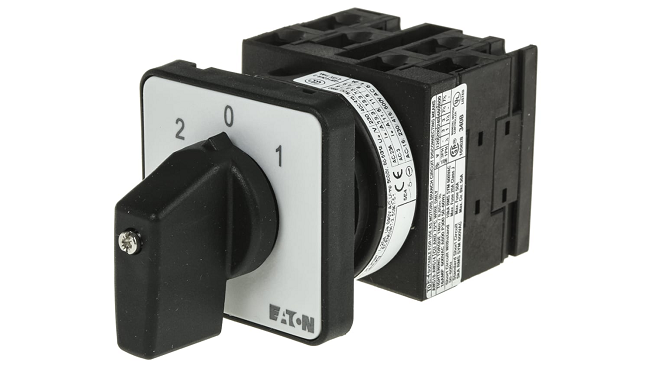
A universal transfer switch, an intriguing piece of technology, serves as an adaptive mechanism for various household and commercial appliances, ensuring their seamless operation under designated current and voltage specifications. This switch operates in circuits with an AC frequency of 50Hz, a rated working voltage up to 380V, DC voltage up to 220V, and a current threshold of 160A. It encompasses several functionalities, each key to maintaining efficiency and safety within electrical systems.
One important function of a universal transfer switch is enabling the conversion of control lines. It ensures the effective operation of voltmeters and ammeters in tracking phase changes. Accurate phase change measurement is essential for maintaining electrical devices within their ideal parameters, thereby minimizing the risk of failure or damage.
Effective power distribution management is another profound task performed by the universal transfer switch. By facilitating balanced load distribution across circuits, this switch helps avoid overloads and guarantees a stable power supply to all devices. This becomes especially critical in environments with multiple high-power devices, such as modern smart homes and office buildings. Balanced power distribution can extend the lifespan of electrical components and enhance overall energy efficiency. The universal transfer switch exhibits proficiency in managing the start, speed control, and direction reversal of small-capacity motors. Motor control is require to a wide range of applications, from household utilities to industrial machinery. For instance, consider the seamless operation of HVAC systems, washing machines, and conveyor belts; all these rely on meticulous motor control. Efficient motor operations particularly reduce energy consumption and bolster the durability of motor-driven devices.
When you rotate the external knob of a universal transfer switch, the first event that takes place is the disconnection of the current contact. This deliberate break is necessary for preventing electrical arcing. It ensures that both safety and functionality are upheld, reducing the risk of potential electrical fires.
Next, the internal spindle begins to rotate. This rotation is meticulously calibrated. But why is calibration so high priority? In simple terms, it ensures alignment with a new contact point in the circuitry. The smoothness and precision of this movement are imperative. They impressively reduce wear and tear on mechanical components, thus preserving the switch's reliability over extended periods.
Once aligned, the spindle reconnects with the new contact point, completing the circuit changeover. Here, the importance of a seamless re-establishment cannot be overstated. Any fluctuations in power can be specially detrimental in environments depend heavily on constant power flow, such as data centers or medical facilities. The reliability and longevity of universal transfer switches are well-documented, personally in industries where uninterrupted power supply is non-negotiable. Consistent use and proper maintenance of these switches drastically reduce downtimes, ensuring uninterrupted operations. Periodic checks and lubrication of the switch's mechanical components greatly enhance its performance and longevity.
The Universal Transfer Switch is renowned for its compact design, allowing outstanding space savings across various applications. Does the small footprint really enhance its broad utility in both residential and commercial settings? Absolutely, as it enables seamless integration into space-constrained environments, making it highly adaptable. The Universal Transfer Switch exemplifies this through its combination of automatic switching, load monitoring, and fault detection within a single unit. This not only simplifies the installation process but also amplifies overall system efficiency by minimizing the need for additional components.
The switch's robust insulation ensures high performance under challenging conditions. With its durable construction, it provides exceptional protection against electrical faults and external environmental factors. This aspect is requisite for maintaining operational integrity in diverse settings, from industrial environments to high-traffic commercial spaces. Designed with the end-user in mind, the Universal Transfer Switch is remarkably user-friendly. The intuitive interface and straightforward controls simplify use, thereby reducing the necessity for extensive training. In addition, its flexible configuration options cater to varying operational requirements, which enhance its versatility in different power management scenarios. It enhances it by reducing operational complexity and increasing adaptability.
Within the area of power management, safety and reliability hold utmost importance. The Universal Transfer Switch incorporates advanced safety features like overcurrent protection, short circuit prevention, and emergency shutdown capabilities. These built-in safeguards ensure that the switch operates within safe parameters, thus protecting both the equipment and its users.
The universal transfer switch comprises several identical contact assemblies, each contributing significantly to its operational efficiency. Lead components include an operating mechanism, positioning device, contacts, contact system, shaft, handle, and related parts. These elements synergetic ensure precise and reliable switching operations.
The operating mechanism initiates and controls the movement of the contacts. What happens if the operating mechanism fails to engage properly? The consequences could be serious, leading to potential system malfunctions. This is where the positioning device steps in, ensuring that the switch components engage and disengage accurately. Just as a surgeon relies on precise instruments, the positioning within this mechanism is equally critical for optimal functionality.
The contact system is housed within an insulated base. A noteworthy feature here is the double break point contact bridge, enhancing safety and reliability by providing multiple points of interruption. The movable contacts, designed to be self-adjusting, enhance synchronization and reduce wear over time. In contrast, static contacts, fixed within a contact block, offer a stable point of engagement. This dual structure mirrors the stability required in critical switching operations in power distribution systems.
Synchronization between the movable and static contacts is meticulously designed to ensure harmonious movement, avoiding disruptions akin to the precision seen in complex machinery. The shafts and handles facilitate manual intervention when necessary, emphasizing the need for manual overrides in automated systems, especially during unforeseen conditions or failures. Cams and brackets are decisive in manipulating the contacts to control their engagement and disengagement effectively. These components can be likened to the executive arms of the switch, translating control signals into mechanical action. Analogous mechanisms are prevalent in industrial robots, where precision in part movement is major for task completion.
The universal transfer switch is a must for managing and distributing power effectively in both homes and industries. It combines strength, flexibility, and advanced safety features to ensure reliable and efficient power handling. This switch is very important for keeping systems running smoothly and safely, adapting well to the evolving technological landscape. By using a universal transfer switch, users can expect a stable and uninterrupted power supply, making it a basic component in modern electrical setups.

 Catalogue
 FPGA / CPLD
 Memory
 MOS
MOS  MCU
MCU  DSP
DSP OCEP
OCEP Secondary
  Other
Other 


