
075582814553

Lithium-ion batteries are needed from smartphones and laptops to electric vehicles and solar energy storage systems. Known for their high energy density, long cycle life, and compact form, these rechargeable batteries have become the go-to energy source for a wide range of applications. This article explores how lithium-ion batteries work, their major types, benefits and drawbacks, safety considerations, environmental impact, and packaging formats to give you a complete understanding of this useful technology.
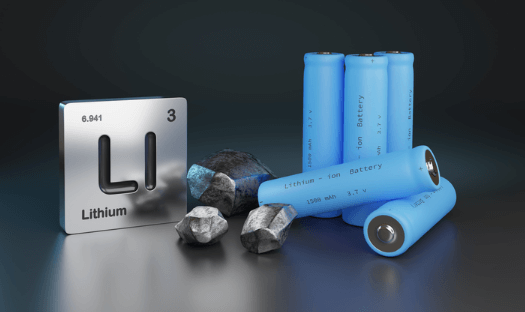
Figure 1. Lithuim-ion Battteries
Lithium-ion (Li-ion) batteries are advanced rechargeable energy storage devices used in a wide range of technologies. Unlike traditional batteries, they rely on the movement of lithium ions between two electrodes, an anode and a cathode, via a conductive electrolyte to store and release electrical energy efficiently. Thanks to their high energy density, fast charging capabilities, and long cycle life, Li-ion batteries have become the preferred choice for modern portable and high-performance applications.
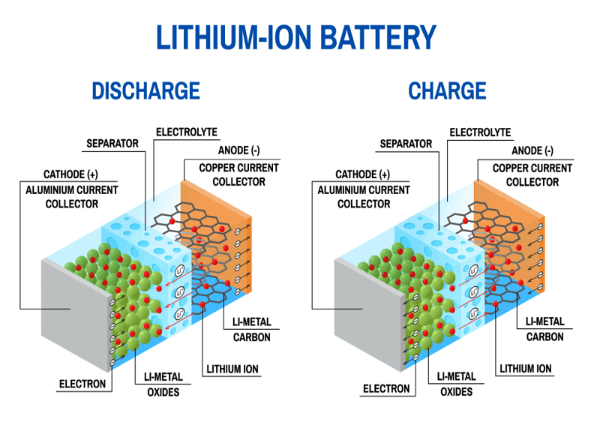
Figure 2. Lithium-Ion Batteries Working Principle
A typical lithium-ion battery consists of multiple interconnected cells, each with the following core components:
• Anode (–): Usually made of graphite, it stores lithium ions during charging.
• Cathode (+): Composed of lithium-based metal oxides like LiCoO₂, LiFePO₄, or NMC, it releases lithium ions during discharge.
• Electrolyte: A lithium salt dissolved in an organic solvent, facilitating ion movement between electrodes.
• Separator: A porous membrane that prevents direct contact between the anode and the cathode while allowing ions to pass through.
• Current Collectors: Metal foils (copper for the anode, aluminum for the cathode) that transfer electrons to and from the external circuit.
When charging, lithium ions move through the electrolyte from the cathode to the anode, where they are stored within the graphite layers. Electrons flow through the external circuit to maintain charge balance, allowing energy to be stored.
In contrast, during discharge, ions return from the anode to the cathode while electrons travel back through the external path, delivering power to the connected device.
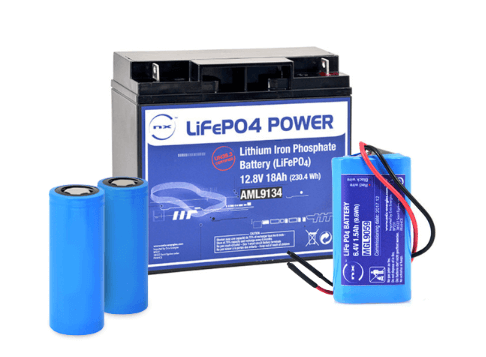
Figure 3. LFP (Lithium Iron Phosphate)
• LFP (Lithium Iron Phosphate): Known for excellent thermal stability and safety, LFP batteries offer long cycle life (2000–5000+), low cost, and consistent performance. However, they have lower energy density, making them bulkier. Commonly used in EVs, solar storage, backup power, and industrial systems.
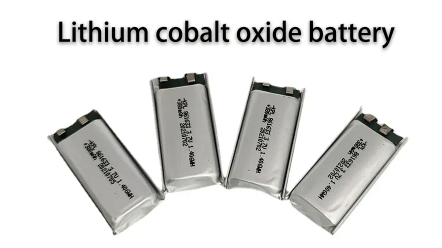
Figure 4. LCO (Lithium Cobalt Oxide)
• LCO (Lithium Cobalt Oxide): High energy density (150–200 Wh/kg) makes these ideal for smartphones, tablets, and laptops. However, they have shorter lifespans and are prone to overheating under stress. The high cost of cobalt is also a concern.
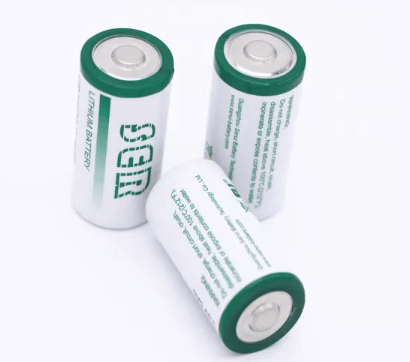
Figure 5. LMO (Lithium Manganese Oxide)
• LMO (Lithium Manganese Oxide): With a spinel-structured cathode, LMO batteries allow high current output and fast charging. Their lower cost and good thermal stability make them suitable for medical devices, power tools, and e-bikes, though they have moderate cycle life (300–700 cycles).
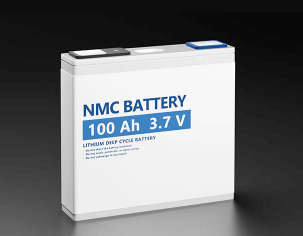
Figure 6. NMC (Nickel Manganese Cobalt Oxide)
• NMC (Nickel Manganese Cobalt Oxide): One of the most balanced options, NMC batteries combine decent energy density, long lifespan, and flexibility. Adjustable cathode ratios (e.g., 6:2:2 or 8:1:1) allow you to optimize performance for EVs, grid storage, and power tools.
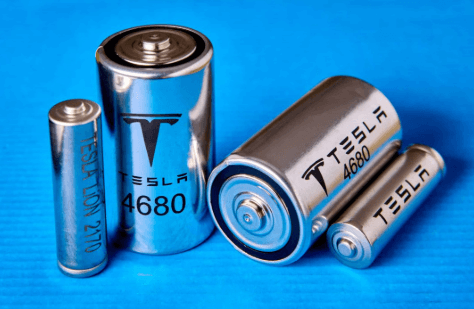
Figure 7. NCA (Nickel Cobalt Aluminum Oxide)
• NCA (Nickel Cobalt Aluminum Oxide): Offers the highest energy density (200–260 Wh/kg) and long cycle life, making it ideal for Tesla EVs, electric aircraft, and industrial equipment. It is, however, expensive and requires advanced thermal management.
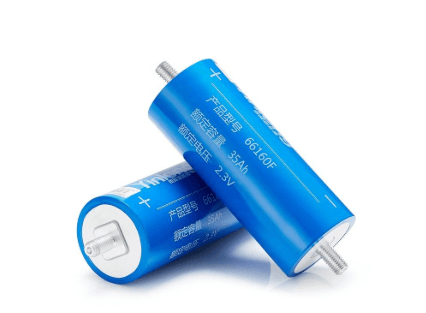
Figure 8. LTO (Lithium Titanate)
• LTO (Lithium Titanate): Replaces graphite with lithium titanate for ultra-fast charging, extreme safety, and superior cycle life (>5000 cycles). Its low energy density limits use to grid storage, military equipment, aerospace, and specialized transport.
| Category | Point | Description |
| Pros | High Energy Density | Stores more energy per unit weight/volume—ideal for compact devices and electric vehicles. |
| Low Self-Discharge | Retains 98–99% of charge per month, outperforming NiMH and NiCd batteries. | |
| No Memory Effect | It can be recharged at any time without degrading performance. | |
| Compact and Scalable | Offered in various shapes and sizes, allowing flexible integration into products. | |
| High Voltage Output | Each cell outputs ~3.6 V, reducing the number of cells required per battery pack. | |
| Cons | Requires BMS | Needs a Battery Management System for safety, adding complexity and cost. |
| Ages Over Time | Performance declines with age, especially with heat exposure or deep discharges. | |
| Higher Upfront Cost | More costly to produce than alternatives like lead-acid or NiCd. | |
| Environmental & Ethical Concerns | Extraction of lithium, cobalt, and nickel can harm ecosystems and involve labor exploitation. |
| Category | Subcategory | Description |
| Common Risks | Overcharging | Can cause overheating, leading to fire or explosion. |
| Physical Damage | Crushed or punctured cells may short-circuit and ignite. | |
| Deep Discharge | Reduces battery lifespan and may trigger chemical instability. | |
| Internal Short Circuits | Often caused by defects or stress, can lead to sudden failure. | |
| Safety Mechanisms | Battery Management Systems (BMS) | Monitors and controls voltage, temperature, and current; disconnects cells when abnormal. |
| Thermal Management Systems | Cools or regulates heat in EVs and large battery packs. | |
| Safer Materials | Chemistries like LiFePO₄ and robust separators minimize thermal runaway risk. | |
| Innovations in Safety | Solid-State Electrolytes | Replace flammable liquids to eliminate fire hazards. |
| Non-Flammable Additives | Enhance electrolyte safety by resisting ignition. | |
| Silicon-Based Anodes | Provide better thermal stability and cycle life. |
Battery design impacts safety, performance, and space efficiency. The most common formats include:
• Cylindrical Cells: Strong, standard-sized (e.g., 18650, 21700), and thermally stable. Ideal for laptops, e-bikes, and EV modules.
• Prismatic Cells: Their firm rectangular shape allows for tight packing in battery modules. Common in EVs, solar storage, and industrial devices.
• Pouch Cells: Lightweight, flexible, and high in energy density per weight. Found in smartphones, wearables, drones, and tablets.
As demand for clean, efficient, and portable energy continues to rise, lithium-ion batteries remain at the forefront of innovation. Their versatility, energy efficiency, and expanding role in everything from consumer electronics to renewable infrastructure make them a basis of future energy solutions. However, as with any technology, managing safety, cost, and environmental impact will be key to sustaining their growth. Whether you're designing a new product or simply using one, understanding lithium-ion batteries helps unlock better performance, safety, and sustainability.

 Catalogue
 FPGA / CPLD
 Memory
 MOS
MOS  MCU
MCU  DSP
DSP OCEP
OCEP Secondary
  Other
Other 


